
Who Made Denim Tears?

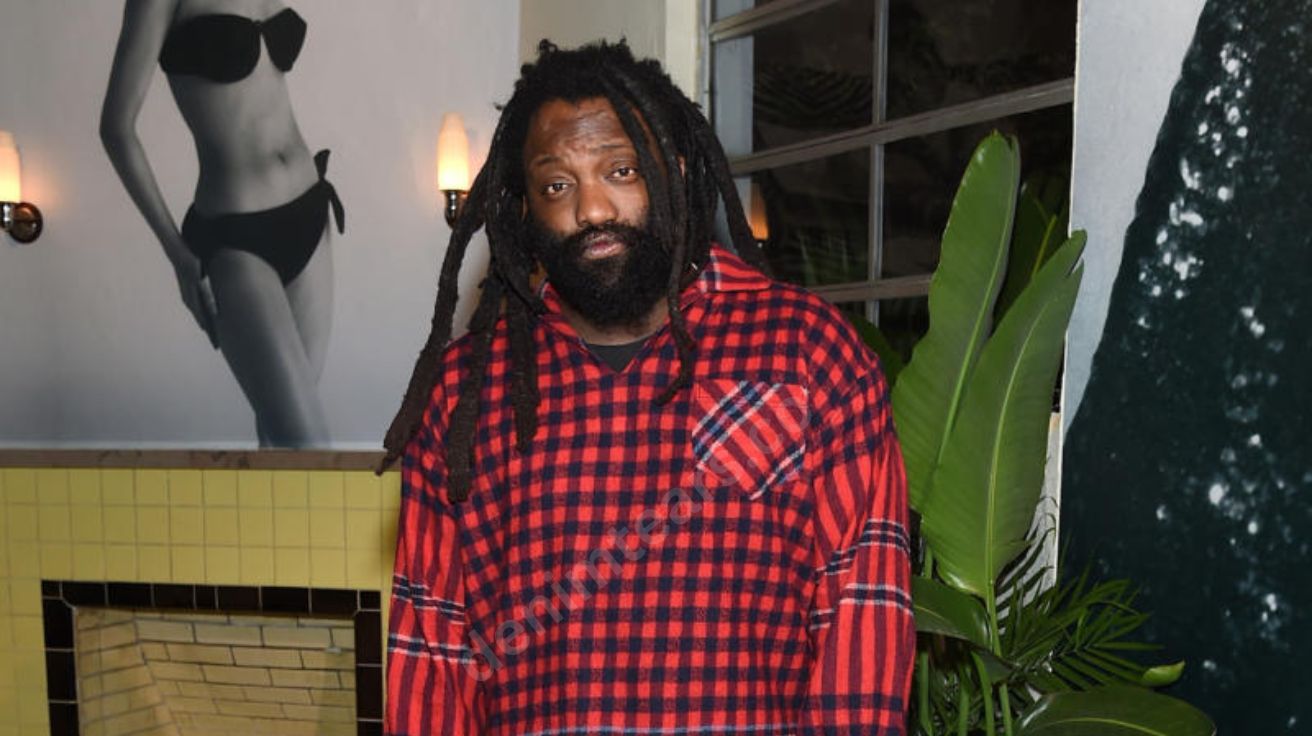
Ever looked at a Denim Tears piece and felt something beyond fashion? That tug in your chest isn’t random. It’s experiences stitched into denim. The man behind it—Tremaine Emory—didn’t just construct another streetwear label. He buxom a voice, a keepsake, a misbehavior dressed as cotton and jeans.
Tremaine Emory: The Story Before the Stitch
Tremaine wasn’t born with fashion weeks calling welcome names. He evolved between New York and Georgia, a careful style that moved through the crowd like a rhythm. Years later, after working with brands like Supreme and specialists like Kanye West, Virgil Abloh, and Frank Ocean, he built Denim Tears.. Not for fame. Not for hype. For truth.
He once said Denim Tears was born from pain and pride. The name itself—those two words—carries centuries. “Denim” represents American labor, and “Tears” represent the suffering behind it. Every thread whispers stories of fields, sweat, and strength. And that cotton wreath logo? It isn’t just decoration. It’s remembrance. It’s Emory saying, “We remember who picked this cotton. We remember why it matters.”
The Meaning Sewn Into Denim
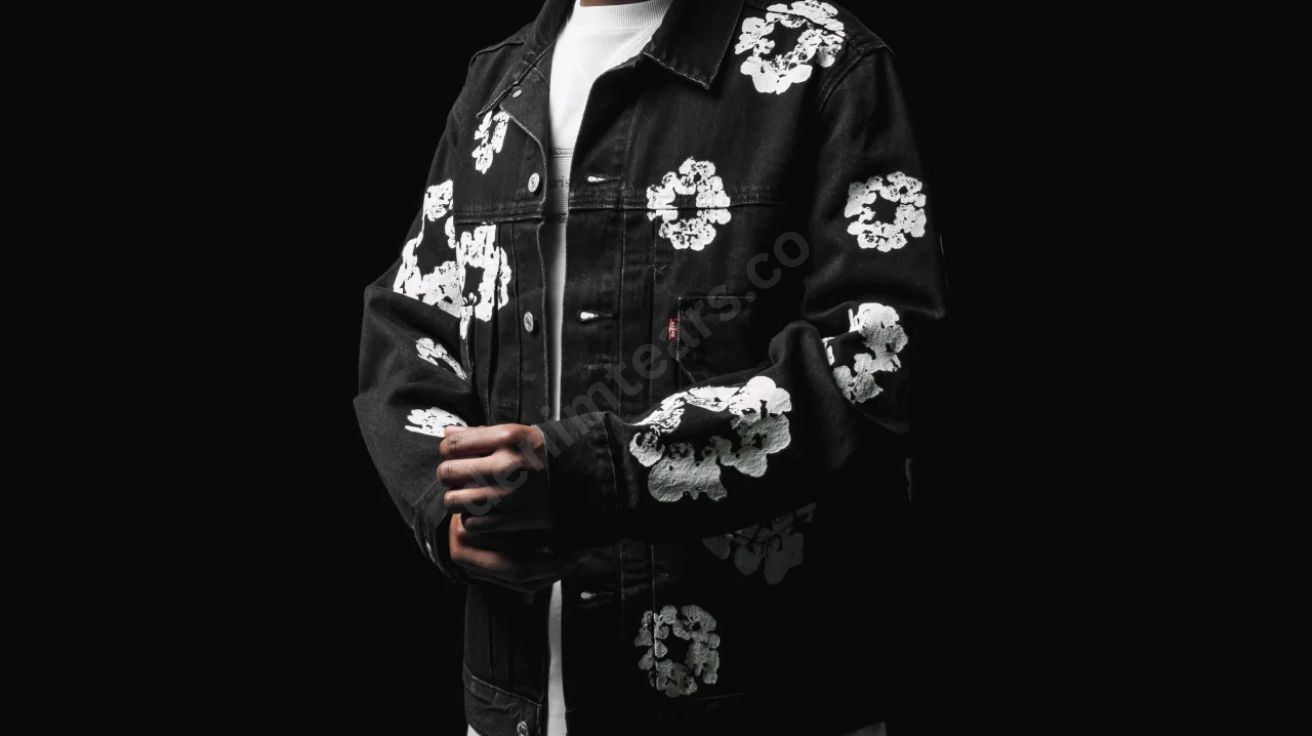
What makes Denim Tears so loud without shouting? It’s honesty. Emory doesn’t sugarcoat the past. He turns it into fabric. You’ll see jeans printed with cotton flowers, hoodies telling stories of ancestry, and jackets that feel like protest banners.
Some people wear fashion. Others wear history. Denim Tears is the second kind. It isn’t meant to make you comfortable. It’s meant to make you think.
It’s rare, right? A brand that sells jeans but also sells awareness. Emory’s work doesn’t beg for approval. It demands attention. It suggests, “You can’t talk about American culture without speaking about Black history.” That’s not just branding—it’s boldness.
The Collaborations That Shook the Industry
When Emory teamed up with Levi’s, belongings exploded. The 2020 Denim Tears x Levi’s group wasn’t just a collab—it was a cultural flashpoint. Denim marked with cotton wreaths, each piece carrying a story that began long before runways endured. The jeans looked simple, sure, but they hit like poetry. People wore them like armor.
Soon after came Nike and Converse partnerships—brands trying to touch the meaning Emory had woven into denim. Even celebrities started wearing Denim Tears not for style points but for solidarity. It became a badge, a way to say: We see, we remember, we stand. The fashion world finally realized this wasn’t a passing trend. It was a conversation that refused to end.
Denim Tears Is More Than Clothes—It’s a Movement
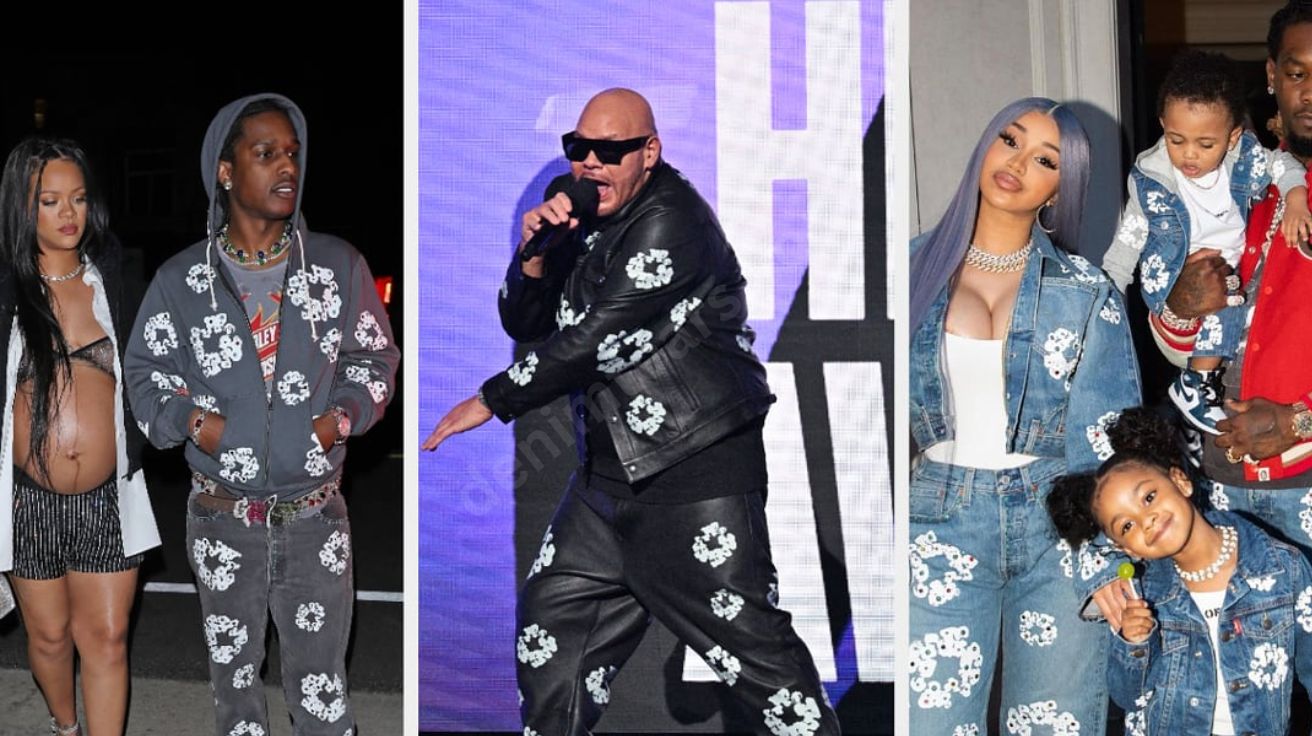
There’s fashion that fades and fashion that scars. Denim Tears belongs to the second. Emory used his platform to talk about things others ignored—racism, memory, pain, pride. When he launched his Cotton Wreath collection, he didn’t just sell out; he struck a nerve.
He made people face the uncomfortable truth: much of America’s wealth was built on the same cotton now decorating designer jeans. Harsh? Maybe. Necessary? Completely. And it’s not just nostalgia. It’s current. Emory’s designs often align with moments of resistance—during Black Lives Matter protests, during cultural reckonings, during times when silence wasn’t an option. He’s turned fashion into protest art. Into storytelling. Into therapy.
How Denim Tears Changed the Game
Before Denim Tears, streetwear was about rebellion. After Denim Tears, it was about reflection. Emory blurred the line between clothing and consciousness. He made history wearable again.
You’d see his work featured in exhibitions, in pop-ups that felt more like museums than stores. People didn’t just shop—they learned. The clothes became conversation pieces, each tag a page in a living textbook.
What’s wild is how Emory never lets fame cloud his intent. Even after joining Supreme as creative director in 2022, he kept Denim Tears raw, political, and painfully human. When he walked away a year later, citing creative differences, the experience saw the same reality he’s been saying for ages: staying valid costs something—but selling out costs more.
The Road Ahead
So, what’s next for Denim Tears? Emory’s made it clear—he’s not slowing down. Future projects are rumored to involve collaborations that push art, not just apparel. And if history tells us anything, he’ll do it his way.
He once mentioned in an interview that he doesn’t design clothes for “fashion people.” He designs for kids who walk the streets, for people who need their stories told in fabric. That’s the secret. That’s why Denim Tears are different. Fashion fades, hype dies, but purpose—purpose lasts.
Why It Still Matters
Who made Denim Tears? A man who turned pain into purpose. Tremaine Emory didn’t build a brand to sell denim. He built it to remind people where denim came from. Every logo, every thread, every tear—it’s all memory stitched into fabric. Denim Tears aren’t just worn. It’s carried. Like history on your shoulders, like truth on your back.
You can see Tremaine Emory’s work and the latest Denim Tears collections here—but don’t just scroll for style. Look closer. Feel the story inside the seams. You’ll understand why this brand isn’t just changing wardrobes—it’s changing minds.